Aims
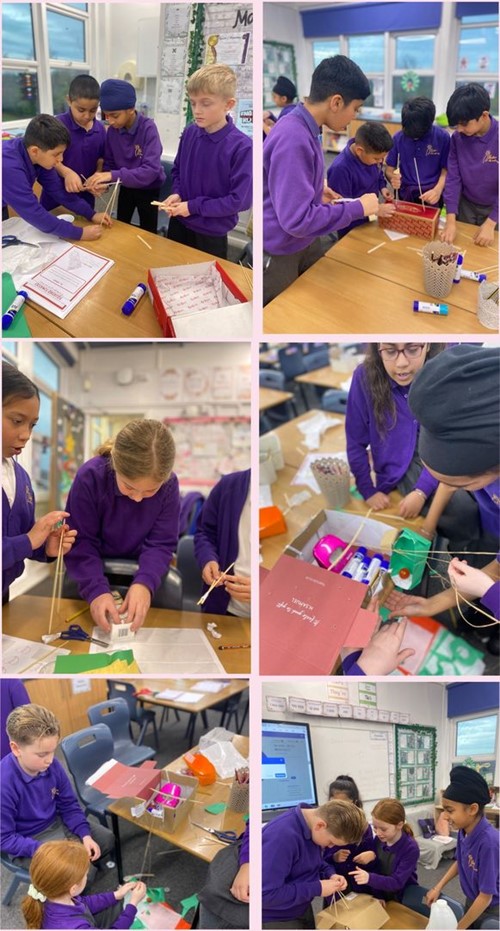
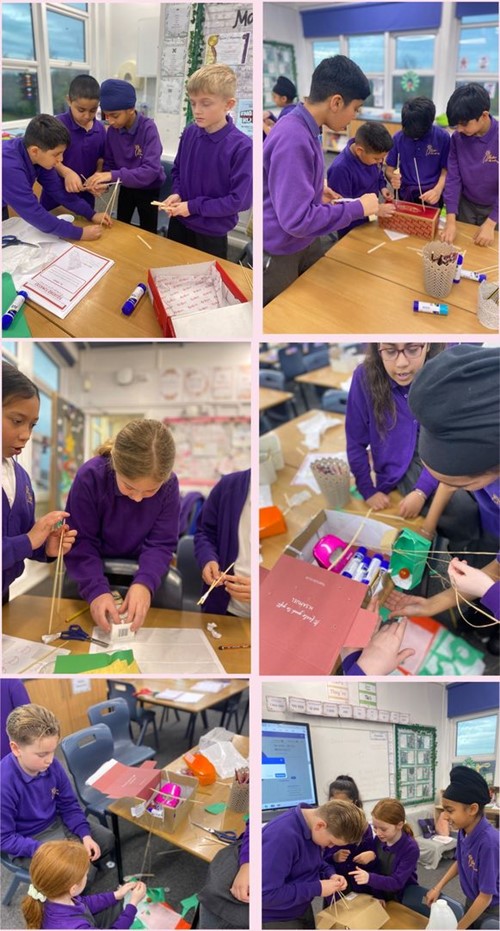
Design and Technology at Kader Academy gives children the opportunity to think, make and solve real problems with purpose. It is a subject that asks children to move between ideas and action, to make decisions, to try things out and to learn from what happens. We want children to leave us able to approach a practical challenge with confidence, to plan, adapt and see something through even when it gets difficult.
For a significant number of our children, school is where they first pick up a needle, handle a range of tools or learn to read a recipe with understanding. We take that seriously. DT is often where children discover they are capable with their hands and their minds, and that discovery matters as much as the product they make.
We believe that designing and making should always have purpose. Children should understand who they are making for, why it matters and what a good outcome actually looks like. Alongside this, we want children to develop the habits of a designer: to question, to refine, to evaluate honestly and to keep going when something does not go to plan.
Approach
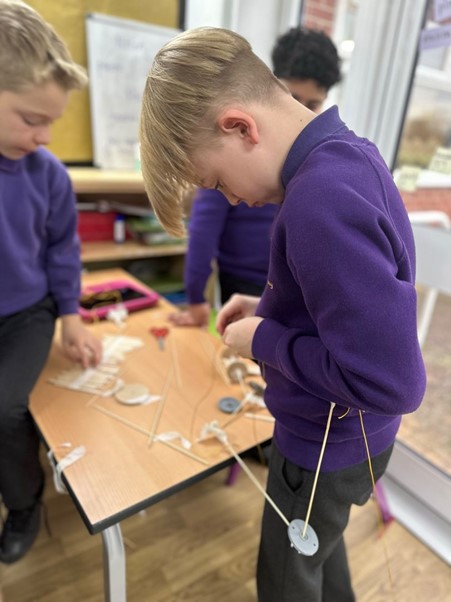
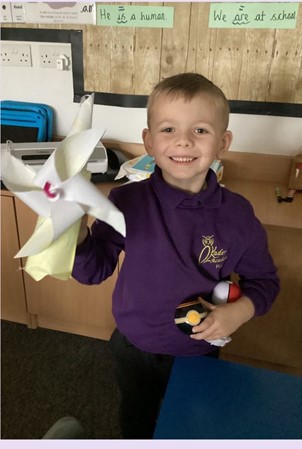
We teach DT through carefully sequenced units that build technical skills and design knowledge progressively across all five strands: food and nutrition, textiles, structures, mechanical systems and electrical systems.
Each unit is built around a clear design challenge with a real context or user in mind. Children are not simply following instructions to produce a predetermined outcome. They are expected to make genuine design decisions, justify their choices and reflect on whether their product does what it was intended to do. Evaluation is treated as a thinking skill, not a box-ticking exercise at the end of a unit.
We recognise that our children need time to build confidence with materials and tools before they can design effectively. Exploration and experimentation are built into our approach, giving children the chance to handle materials, test ideas and make mistakes in a lower-stakes environment before the more structured phases of a unit begin. Staff create classrooms where having another go is normal and where an imperfect product is a starting point for thinking rather than a sign of failure.
Our DT curriculum connects meaningfully to science, particularly in the areas of materials, forces and electricity. We use these links deliberately to deepen understanding in both subjects rather than treating them as separate bodies of knowledge.
Outcomes
By the time children leave Kader Academy in Year 6, they will have worked across all strands of the DT curriculum and built a range of practical skills they can name, explain and apply. They will have designed and made real products for real purposes, and they will understand that the process matters as much as the end result.
Children will leave understanding that design is iterative, that first attempts are rarely final ones and that improving something requires both technical knowledge and honest self-evaluation. They will know how to use a range of tools and materials with increasing confidence and precision and they will be able to talk about their choices and explain why they made them.
We want children to experience DT as a subject where different kinds of intelligence are valued. The child who thinks spatially, the child who is methodical, the child who spots a problem nobody else has noticed: all of these children should find something in DT that recognises what they are good at.
Ultimately we want every child to leave Year 6 with the belief that they can make things, that making things is a skill worth having and that the ability to solve a practical problem with creativity and care is something to be proud of.