“You can make anything by writing.” – C.S. Lewis
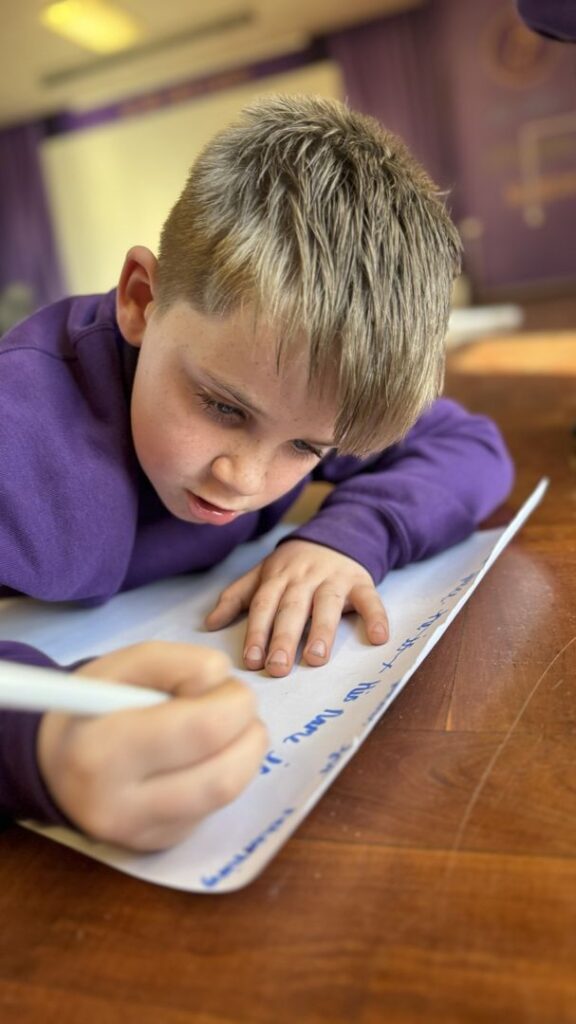
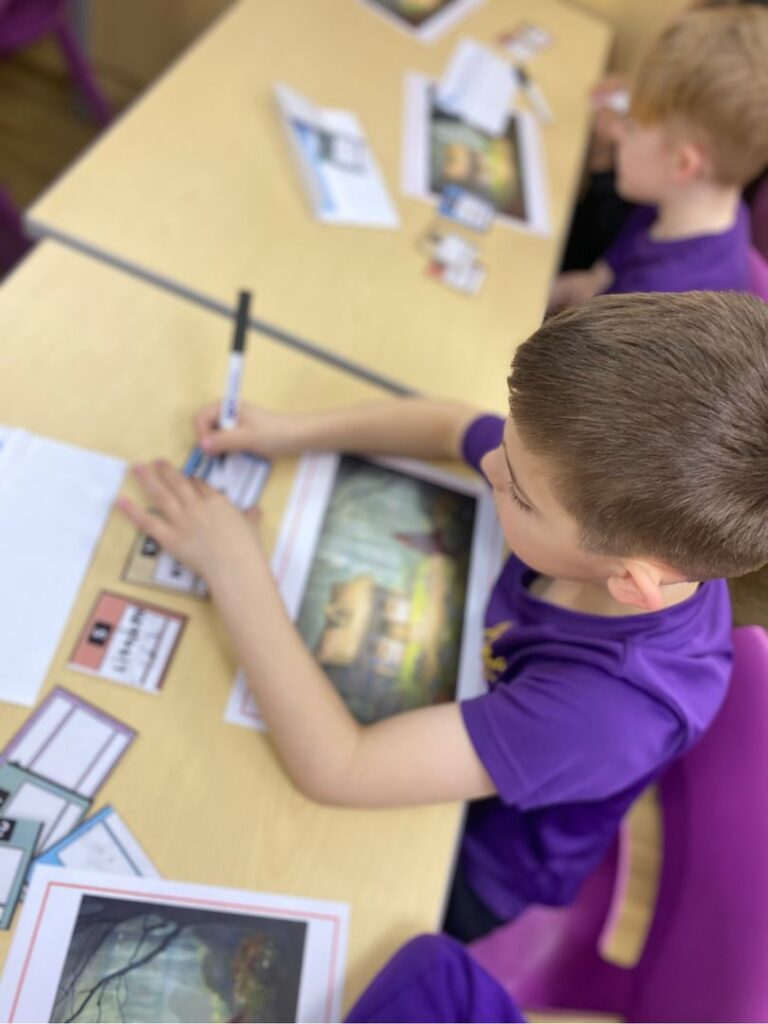
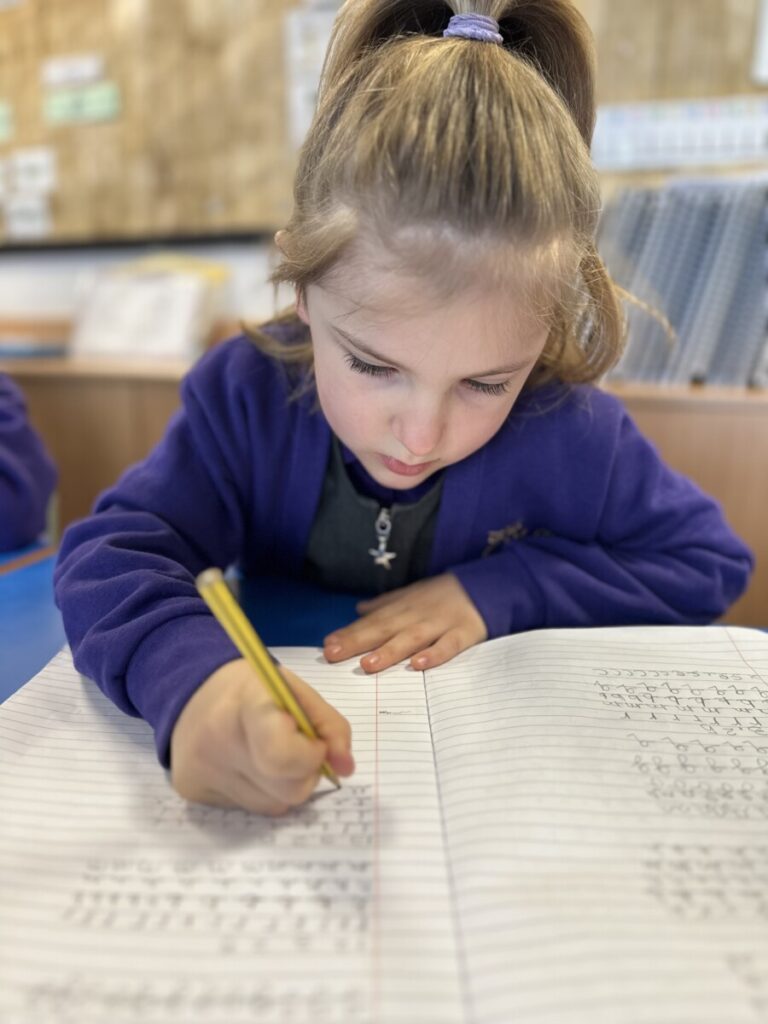
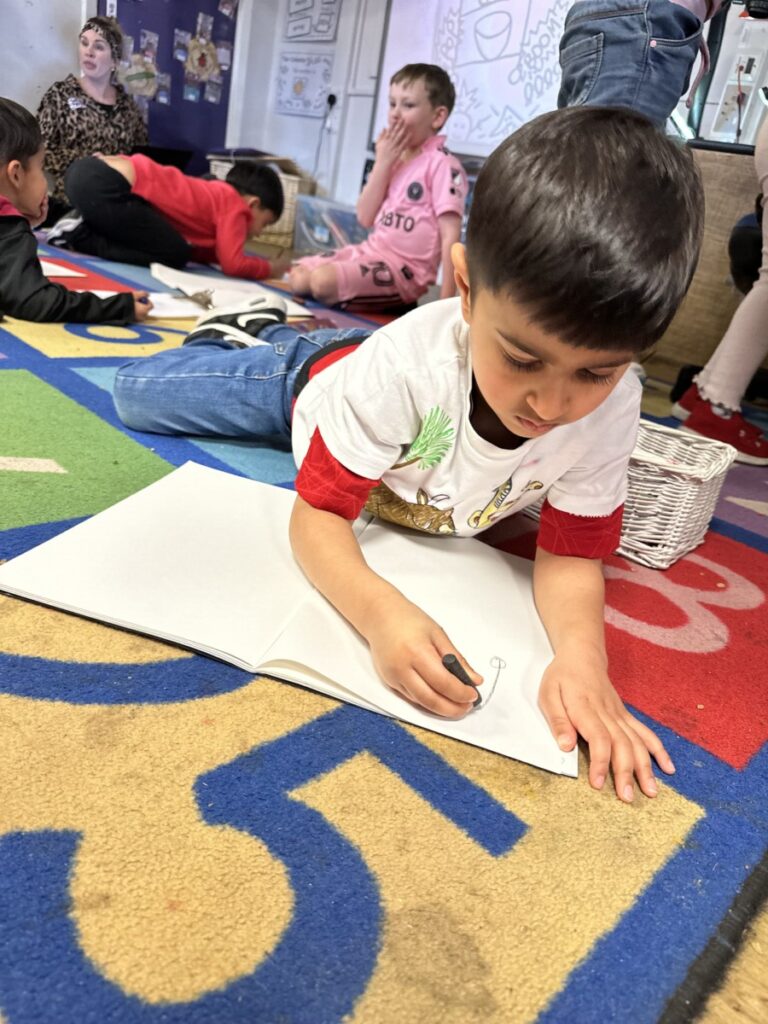
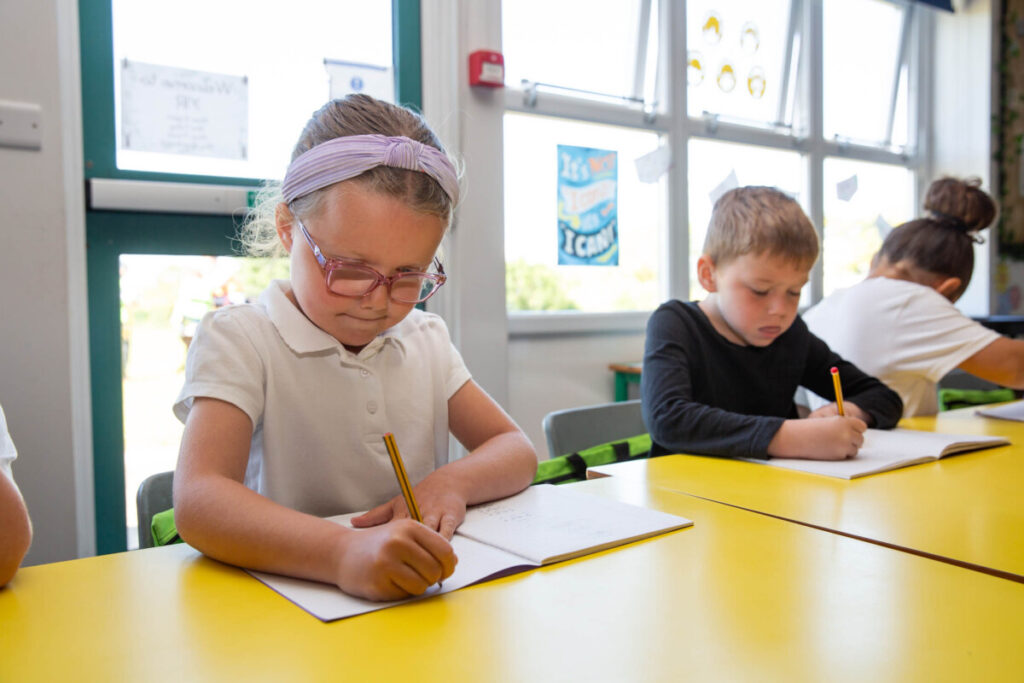
Our writing curriculum inspires pupils to see themselves as confident, capable writers with a powerful voice. We place oracy at the heart of learning, recognising that great writing begins with talk. Through rich discussion, drama and collaborative activities, pupils explore ideas, develop vocabulary and organise their thinking before bringing their ideas to life on the page.
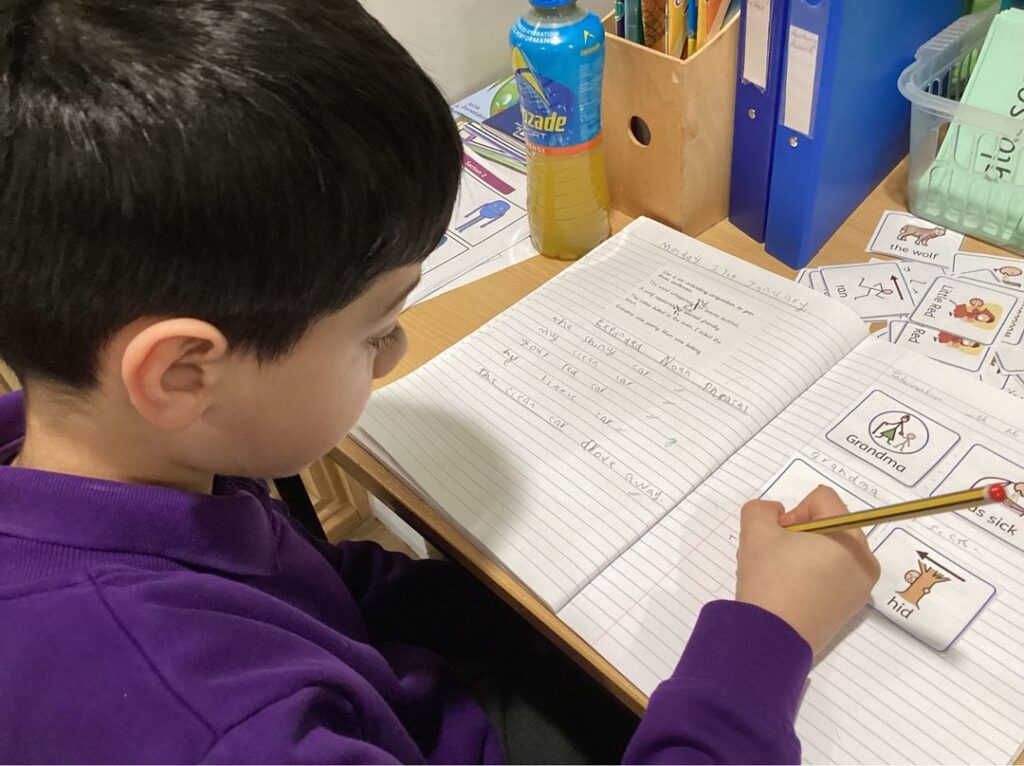
A strong focus on foundational skills ensures that pupils build the secure knowledge they need to write with clarity and confidence. Spelling, punctuation and grammar are taught explicitly and revisited regularly, alongside the development of strong sentence structures that allow pupils to write with increasing fluency, control and creativity.
Pupils are encouraged to write for real purpose and authentic audiences across a wide range of genres, including stories, reports, letters and persuasive texts. They learn how to craft engaging writing, structure their ideas effectively and refine their work through thoughtful editing and revision.
We believe every child should develop a love of language and the confidence to express their ideas. Our curriculum supports all pupils, regardless of their starting point or home language, to develop a strong command of English and a genuine enjoyment of writing. By developing these skills, pupils are equipped to communicate their ideas beyond the classroom and confidently engage with the wider world.
Ultimately, we aim to nurture thoughtful, imaginative writers who can communicate clearly, think critically and use their voice with confidence- skills that will support them throughout their education and far beyond the classroom.
Oracy first
Oracy is central to our writing curriculum as it allows students express their ideas clearly through speaking, which makes it easier for them to organise their thoughts and write more effectively. Drama and role-play feature heavily in our learning journeys, allowing pupils to get language on its feet.
Vocabulary development
From the earliest opportunities, we emphasise the importance of ambitious vocabulary development as a key component for fostering students’ creativity and expression. By introducing language from diverse stories and texts, we encourage learners to not only expand their lexicon but to understand the different purposes language serves. This approach empowers them to craft more engaging narratives and arguments, ensuring they can articulate their thoughts with clarity and flair, regardless of the intended audience.
Grammatical accuracy
In order to develop competent writers, our pupils learn how to construct sentences using a mathematical way of thinking. We use the ‘Place Value of Punctuation’ techniques (Grammarsaurus) throughout school, in a consistent and effective approach. When the children KNOW the rules, they can learn how to bend the rules, which is exactly what the best authors do.
Progressive curriculum
Our writing curriculum is designed to be progressive and cyclical, giving students the chance to build on their skills and knowledge over time. We revisit key concepts and techniques regularly, helping to reinforce their understanding. This approach not only allows learners to steadily develop their writing abilities but also encourages them to use previously learned skills in new contexts, making the writing experience more enjoyable and creative.
Inspiring and engaging contexts
Creating engaging contexts for writing is all about connecting to real audiences and purposes. We encourage students to craft persuasive letters to local officials or pen heartfelt stories for younger peers, often using our wider curriculum as a driver for this. By integrating links to carefully-selected literature, like the traditional works of Charles Dickens or the modern works of S.F. Said, students draw inspiration from familiar texts. Additionally, author visits and workshops with the Royal Shakespeare Company ignite creativity, encouraging learners to explore dramatic storytelling while embedding skills across subjects like history and drama.
What our pupils think:
“I love it when I get to use my imagination to make brand new and original stories.”
“I love to let my imagination run free as it feels good to watch a blank page become a masterpiece.”
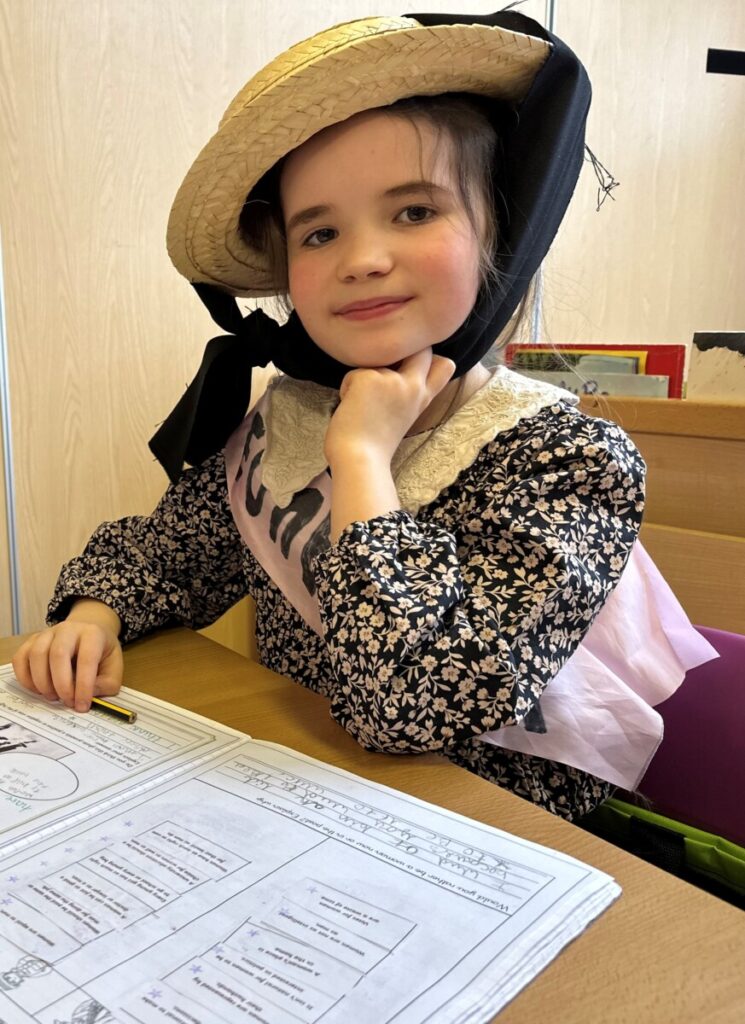
“I enjoy writing to inform as it I can combine my history knowledge and research skills with our writing, like with our Victorians topic.”
“We get to learn and write about really inspirational historical figures such as Emmeline Pankhurst and Katherine Johnson.”
“Using books like Varjak Paw helps us to hear what good writing is like and then we can become authors ourselves!”
Outcomes in writing at our school are consistently strong and reflect the high expectations and ambition we have for every pupil. Many children begin Reception with starting points below national expectations, particularly in communication and language; however, through a carefully structured and ambitious curriculum, pupils make strong progress as they move through the school. Over the past three years, an average of 83.6% of pupils have achieved the expected standard or above in writing by the end of Key Stage 2. In addition, an average of 25% of pupils achieve greater depth, demonstrating that pupils are not only supported to meet the expected standard but are also challenged to achieve highly. These outcomes reflect the strength of teaching across the school, alongside our clear focus on oracy, secure foundational skills and the development of strong sentence structures. As a result, pupils develop into confident writers who can communicate their ideas clearly and effectively as they move successfully into the next stage of their education and the wider world.